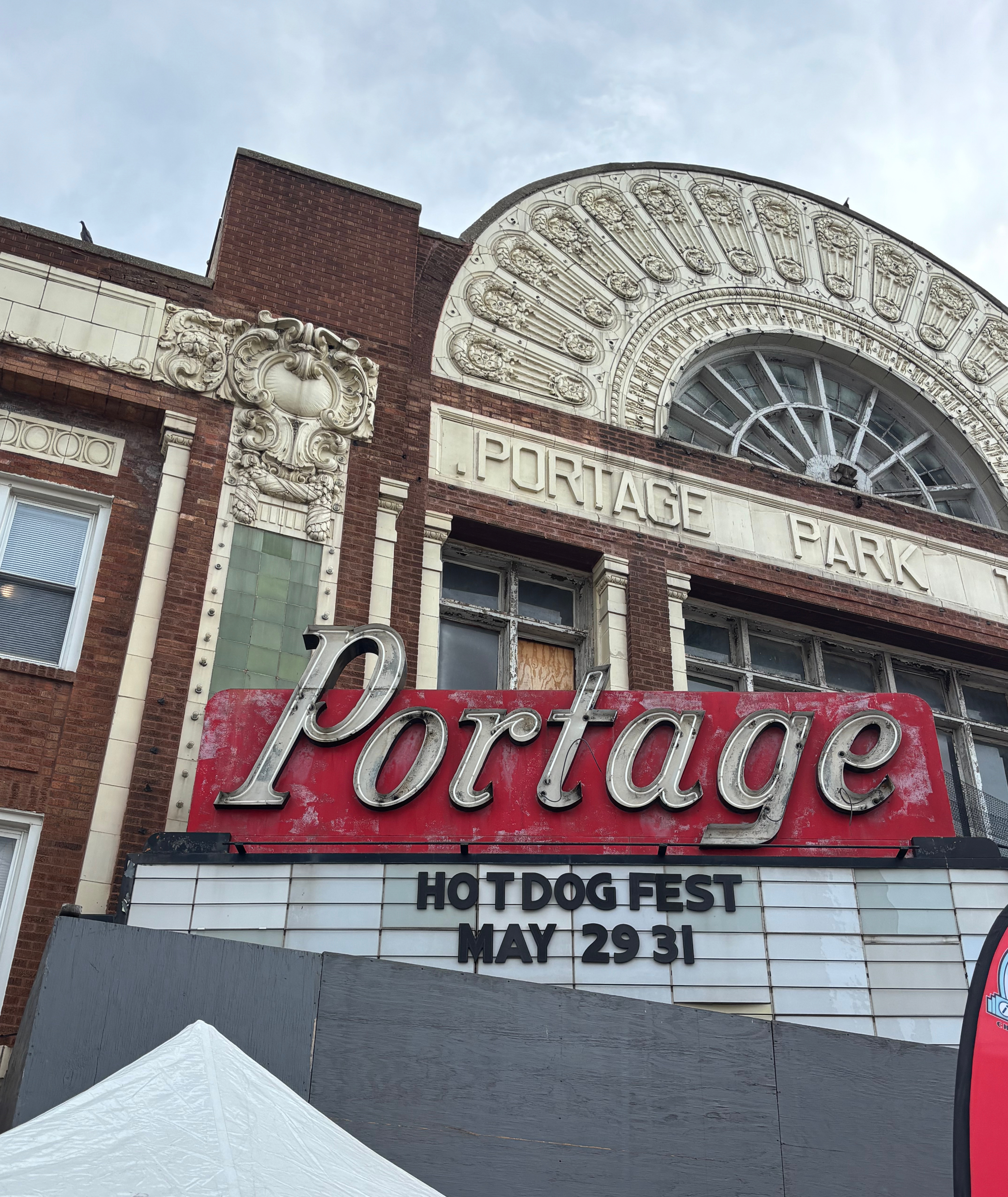
The Portage Theater:
More than 100 Years at Six Corners
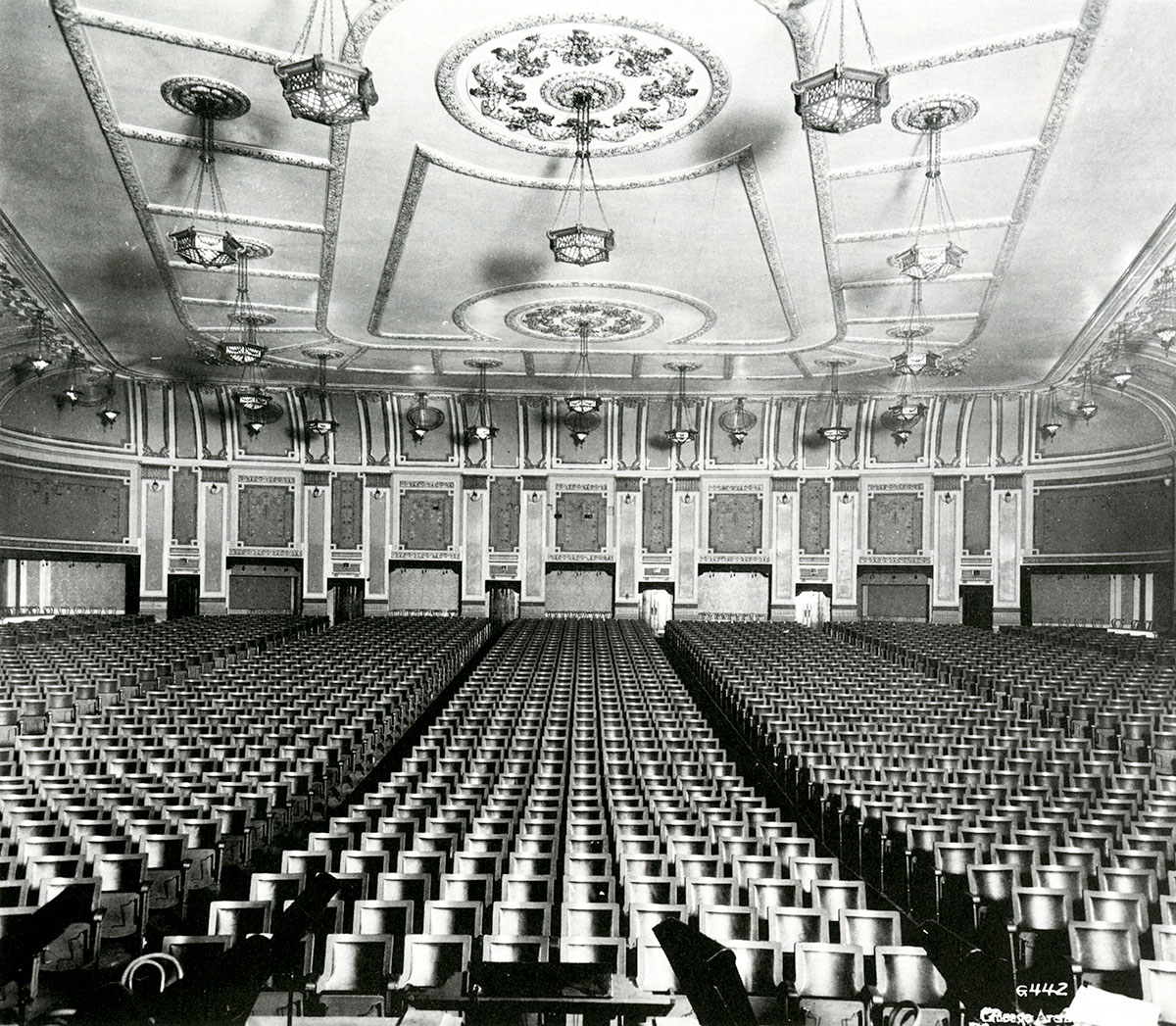
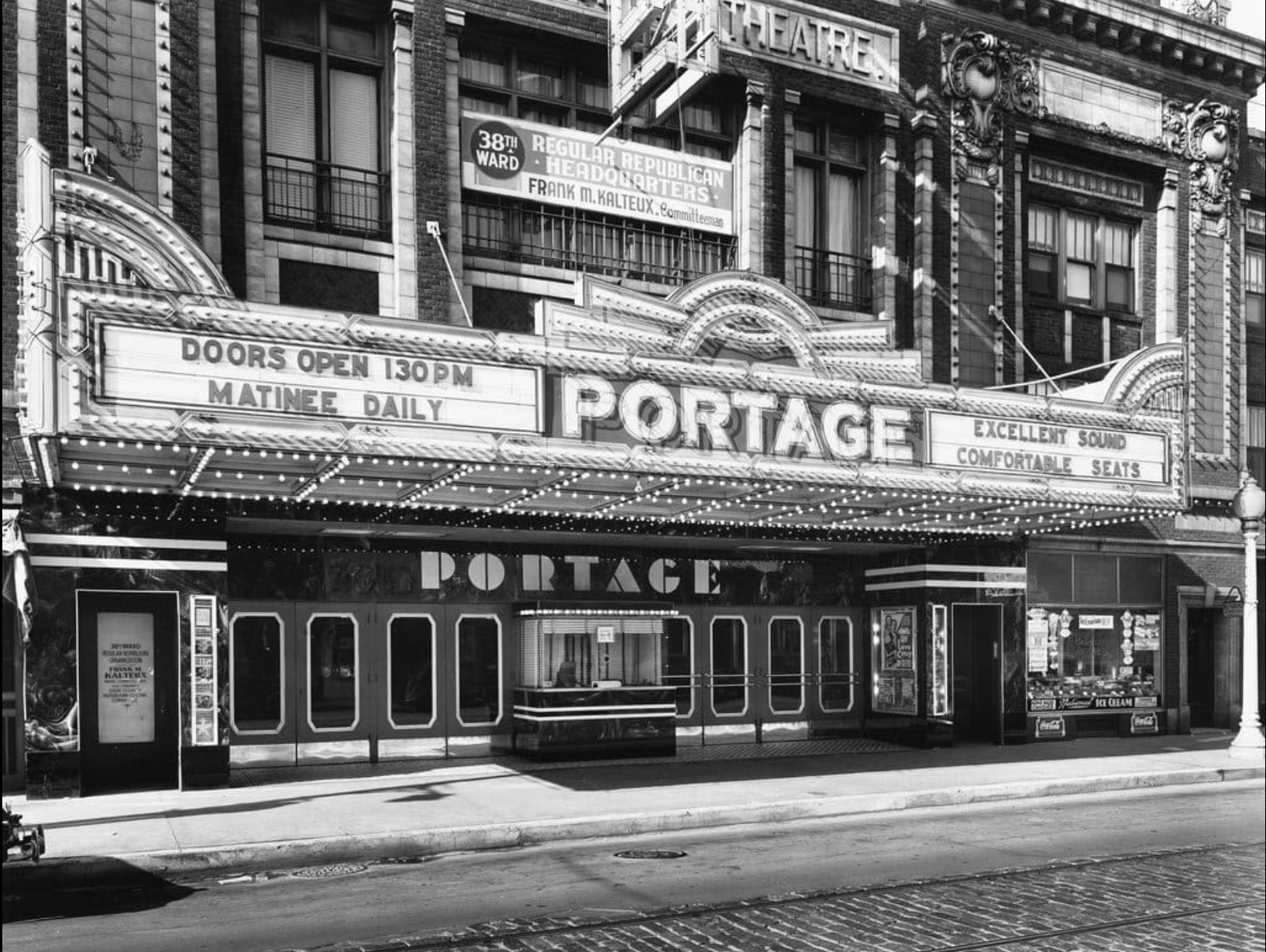
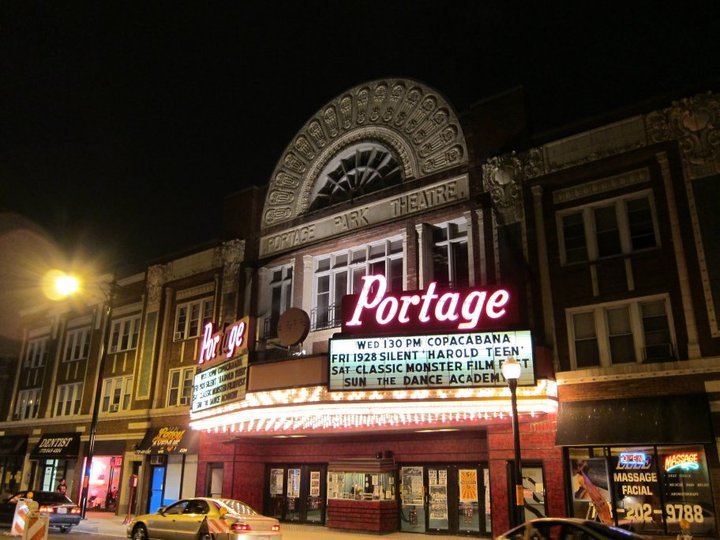
Since opening in December 1920, the Portage Theater has been a landmark of Chicago’s Northwest Side and an important part of the city’s cultural history. Designed by Lindley P. Rowe in association with Fridstein & Co., the nearly 2,000-seat movie palace was built during the Golden Age of neighborhood theaters and quickly became a gathering place for generations of Chicagoans.
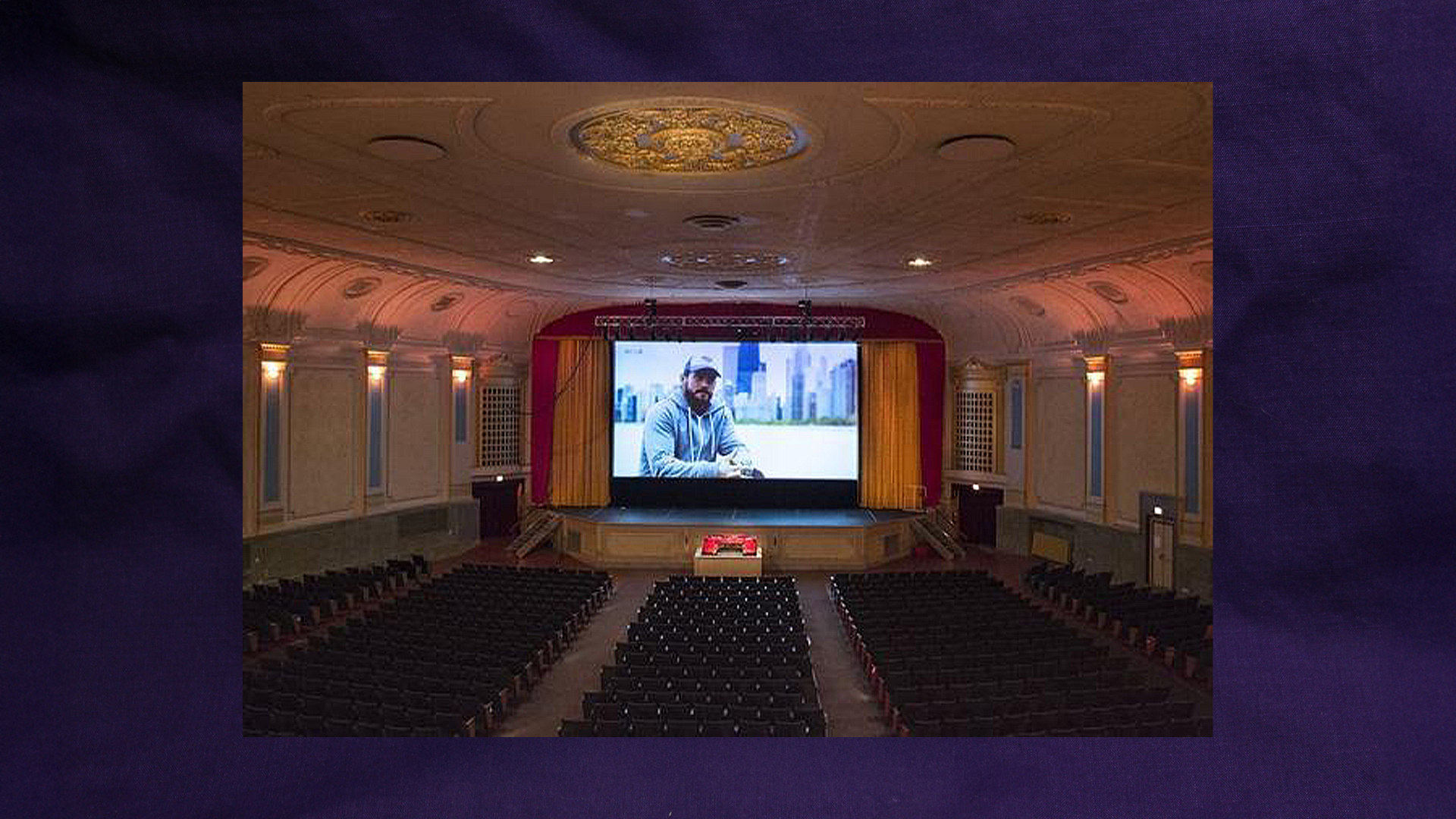
As entertainment evolved, so did the Portage. It adapted to changing moviegoing habits, survived the decline of neighborhood movie palaces, and closed in 2001. Following restoration, it reopened in 2006 as a venue for film screenings, live performances, and community events.
In 2013, the City of Chicago designated The Portage Theater a Chicago Landmark, recognizing its architectural and cultural importance. Its significance continued into the modern era as the theater hosted concerts, independent film, major hip-hop and indie-rock events. It provided an early Chicago stage for artists including Post Malone and played a role in the early history of Lyrical Lemonade’s Summer Bash, which later grew into Summer Smash.
After closing again in 2018, years of vacancy and deferred maintenance placed the landmark at risk. In 2024, Landmarks Illinois named The Portage Theater one of the state’s Most Endangered Historic Places.
For more than a century, the Portage Theater has been a gathering place for artists, performers, and audiences, with a history that includes names such as Dolly Parton, Conway Twitty, Loretta Lynn, George Jones, Tom Petty and the Heartbreakers, Playboi Carti, Post Malone, and CM Punk. The theater has also been part of Chicago’s film history, serving as a filming location for Public Enemies, where Johnny Depp was on site, as well as hosting independent films, film festivals, and countless other productions and events. From legendary musicians and major motion pictures to independent filmmakers and local performers, the Portage has always been a place where artists and audiences come together, and we hope to carry that legacy into its next chapter.
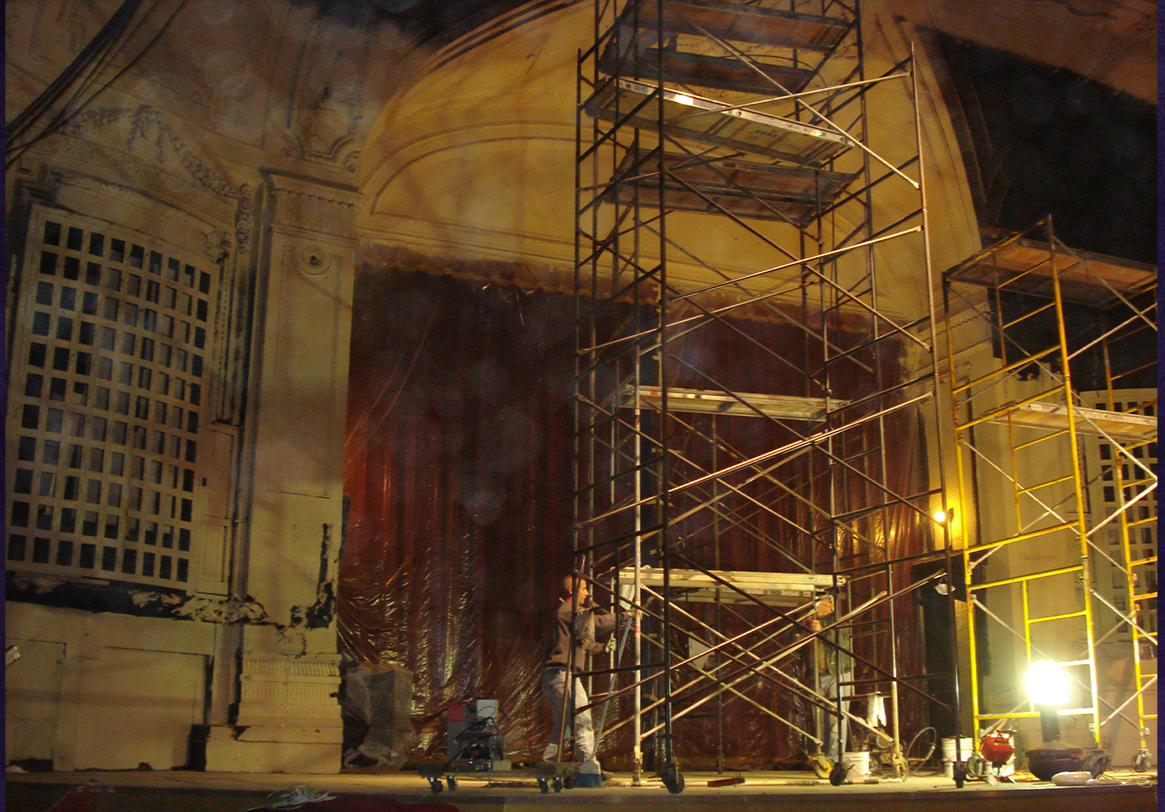
Today, restoration efforts are underway to preserve The Portage Theater and return it to active use. More than a century after its opening, the theater remains more than a historic building—it is a physical record of Chicago’s changing entertainment and cultural landscape, and a place where generations have gathered to experience film, music, and community.


Share Your Portage Memory
The Portage Theater has been a cornerstone of our community for over 100 years. Share a favorite memory, moment, or story so we can help keep the spirit of Portage alive for the next century.
2018
Closing of the theater and start of vacancy period.
2013
Designated an official Chicago Landmark recognize architectural importance.
1920
2006- 2013
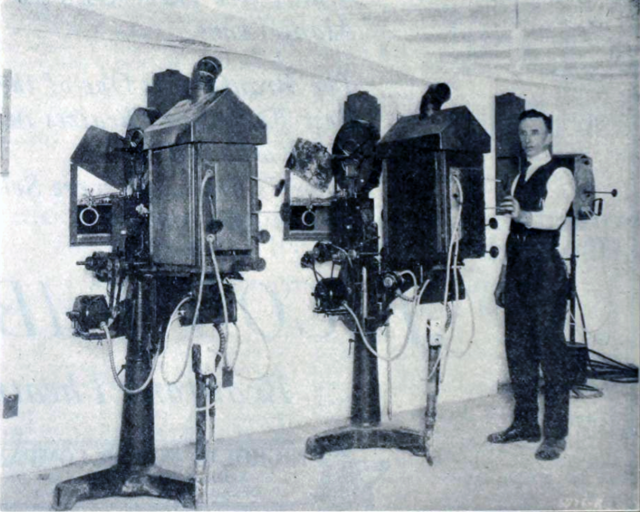
Portage became a home for silent films, repertory cinema, festivals, live events under Dennis Wolkowicz (“Jay Warren”) and David Dziedzic.
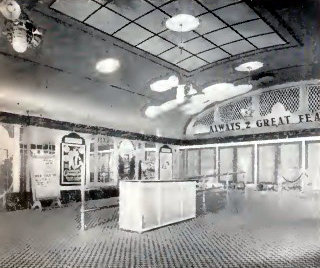
M&R Amusement refurbished the dying theater and split the auditorium in September 1980 to create Portage 1 & 2. The wall was architecturally brutal, but the conversion probably kept the Portage financially alive when similar neighborhood palaces were closing.
1979- 1988
1941-1970's
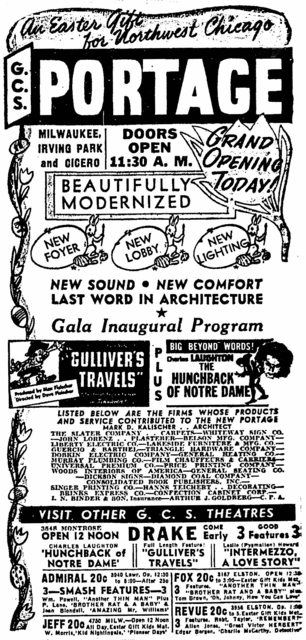
Balaban & Katz leased the Portage from GCS and ran it through its strongest postwar neighborhood-theater period. It became a community institution and later a second-run house.
2025- Present
Current owner Chris Bauman and Zenith Music Group acquired the venue in October, launching a major restoration.
Historical Milestone Timeline
J.M. and Edward Browarsky held the grand opening of the movie palace with nearly 2,000 seats. The building was designed by architects designed by architects Mark D. Kalischer and Henry L. Newhouse.